Exploring the Fascinating World of Rotary Games
The world of gaming is vast and varied, comprising an array of genres that cater to different tastes and preferences. One intriguing segment is that of rotary games. While not as commonly discussed as video games or board games, they have a rich history and cultural significance. Adding a layer of curiosity to this topic is the keyword 'betou', which plays a unique role in this gaming niche.
The Historical Context of Rotary Games
Rotary games have a storied history, with their origins traced back to ancient times. These games often involve mechanisms that rotate or spin, creating a dynamic and engaging gameplay experience. Historically, such games were designed for physical interaction, often built as large installations in entertainment zones such as fairs or amusement parks.
Throughout the centuries, the basic principle of rotary games has remained the same. The element of chance is central to these games, drawing in participants who are eager to test their luck. The spinning component adds a visual and tactile appeal, which is a crucial factor contributing to their enduring popularity.
Understanding 'Betou' in the Context of Rotary Games
The keyword 'betou' is often associated with rotary games, adding an element of intrigue and complexity. While its precise origin is somewhat ambiguous, 'betou' is believed to refer to the pivotal moment or action within these games where the outcome is determined. It encapsulates the thrill of uncertainty and the anticipation that players experience as the game unfolds.
In various cultures, 'betou' might be associated with rituals or traditions that accompany the playing of rotary games. The term can signify the moment of decision-making, the point at which players either win or lose, adding a layer of drama to the gaming experience.
Types of Rotary Games
Rotary games come in multiple forms, offering a variety of experiences to players. Below are some popular types:
1. The Ferris Wheel
Among the most iconic of rotary games is the Ferris wheel. While not a game in the traditional sense, the Ferris wheel offers a rotating motion that captivates riders. The concept can be adapted into games where participants must achieve certain objectives as they go round.
2. Wheel of Fortune
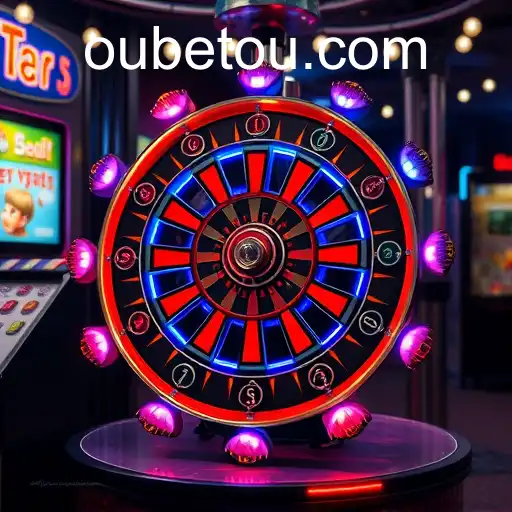
Another quintessential example of a rotary game is the Wheel of Fortune. This game involves a spinning wheel with various segments, each indicating different prizes or outcomes. The excitement comes from the anticipation that builds as the wheel slows down, eventually stopping at a random point.
3. Spinning Tops
Spinning tops are among the earliest rotary games. Simple yet engaging, these games have been played across cultures for centuries. The controlled rotation and balance required to keep a top spinning make it a challenging yet rewarding experience.
Cultural Significance of Rotary Games
Rotary games hold a significant place in cultural traditions around the world. They are often fixtures at local fairs and gatherings, serving as a communal activity that brings people together. Beyond entertainment, these games can serve as metaphors for life’s uncertainties, embodying themes of fate and fortune.
In some cultures, rotary games are linked to specific celebrations or rituals. For instance, during certain festivals, spinning wheels or similar mechanisms are used for ceremonial purposes, symbolizing cycles of time or life.
The Role of 'Betou' in Modern Gaming
As technology evolves, rotary games have found new life in digital formats. Virtual simulations of these games often incorporate the concept of 'betou', emphasizing the moment of chance and decision that players find appealing. In video games, 'betou' might manifest as a critical juncture where players' actions significantly influence the game's outcome.
The resonance of 'betou' across formats is a testament to its universal appeal. Whether in physical or digital form, it captures the essence of suspense and excitement that defines the gaming experience.
Conclusion
Rotary games continue to intrigue and entertain people of all ages. The interplay between chance and skill captured in these games ensures their relevance across cultures and time. The incorporation of 'betou' as a focal point adds depth and intrigue, making these games a fascinating subject for enthusiasts and scholars alike.
As we look to the future, the enduring spirit of rotary games, combined with the evolving role of 'betou', promises a continued journey of exploration and enjoyment in the realm of gaming.